Imagine starting your morning with a cup of deep, cobalt-blue tea — brewed from flowers you grew yourself, right on your balcony or terrace. Add a squeeze of lemon and watch it magically turn purple. That's the everyday wonder of growing Aparajita, also known as Butterfly Pea (Clitoria ternatea).
One of India's most beloved flowering climbers, Aparajita is fast-growing, low-maintenance, and extraordinarily generous — rewarding you with continuous blooms, natural herbal tea, chemical-free food colouring, and deep cultural significance. Whether you have a sprawling garden or just a single sunny window ledge, this plant belongs in your home.
This guide covers everything you need to grow Aparajita successfully — from seed to bloom — even if you've never grown a plant before.
Why Aparajita Is the Perfect Home Garden Plant
Most plants ask a lot of you. Aparajita gives a lot back. Here's what makes it special:
- Blooms in just 6–8 weeks from sowing — one of the fastest-flowering climbers you can grow at home
- Thrives in Indian climates, especially in warm and tropical regions
- Grows in pots, on balconies, terraces, and in the ground — highly adaptable
- Produces flowers continuously through the growing season with minimal effort
- 100% natural uses — herbal tea, food colouring, Ayurvedic wellness
- Holds spiritual significance and is used in puja and temple offerings
- Perfect for beginners — forgiving, fast, and incredibly rewarding
What to Expect: Growth Timeline
Understanding what happens after you sow your seeds helps you stay patient and spot any problems early.
| Stage | Timeframe |
|---|---|
| Seed germination | 7–14 days |
| First true leaves appear | 2–3 weeks |
| Vine begins climbing | 3–4 weeks |
| First flowers | 6–8 weeks (in warm conditions) |
| Full, continuous blooming | 2–3 months onwards |
Warm temperatures (25°C–35°C) accelerate every stage. In cooler weather, expect timelines to stretch slightly — but the flowers will come.
Step 1: Choosing Your Seeds
Aparajita comes in a stunning range of colours and petal forms — and at Beauty & Greens, we grow and hand-select every variety ourselves. Whether you want a single striking colour or a mixed cascade across your trellis, there's a perfect combination waiting for you.
Double Petal Varieties
Double petal flowers are ruffled and fuller than the classic single bloom — they look like little roses on a vine and are absolute showstoppers on a balcony railing or fence.
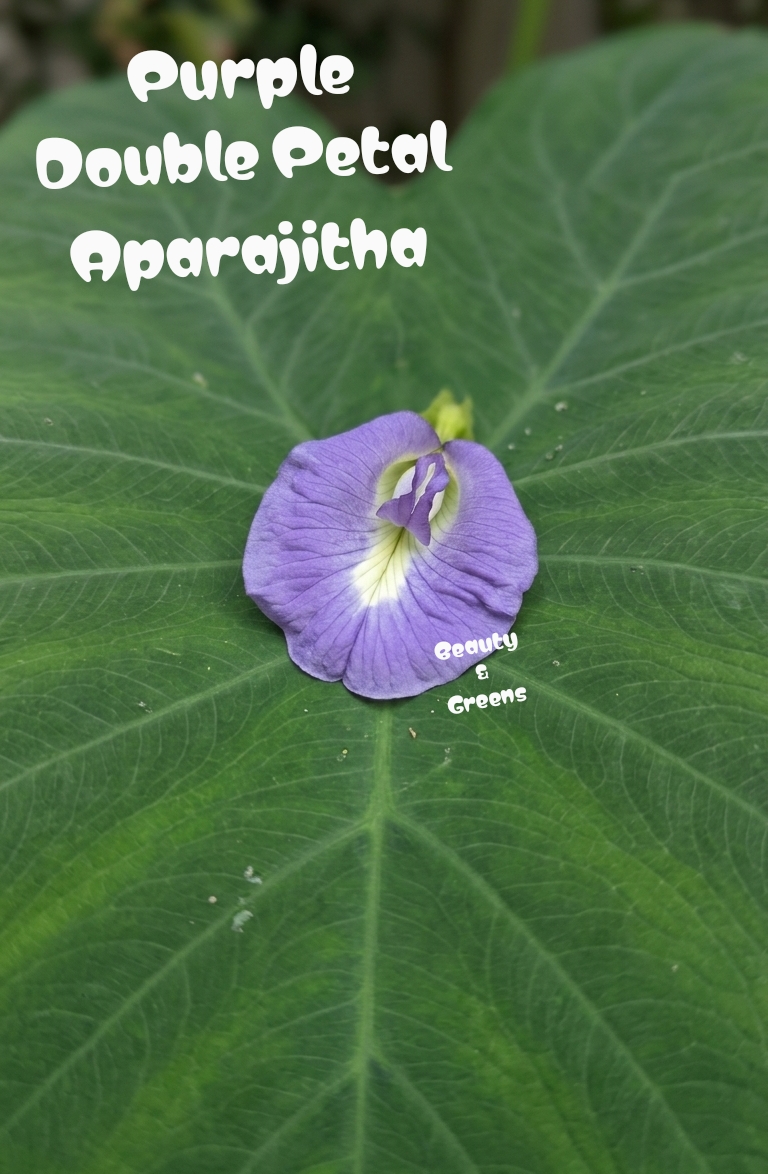
- Purple Double Petal — Deep, rich violet blooms. One of the most requested varieties for its royal colour and dense ruffling.
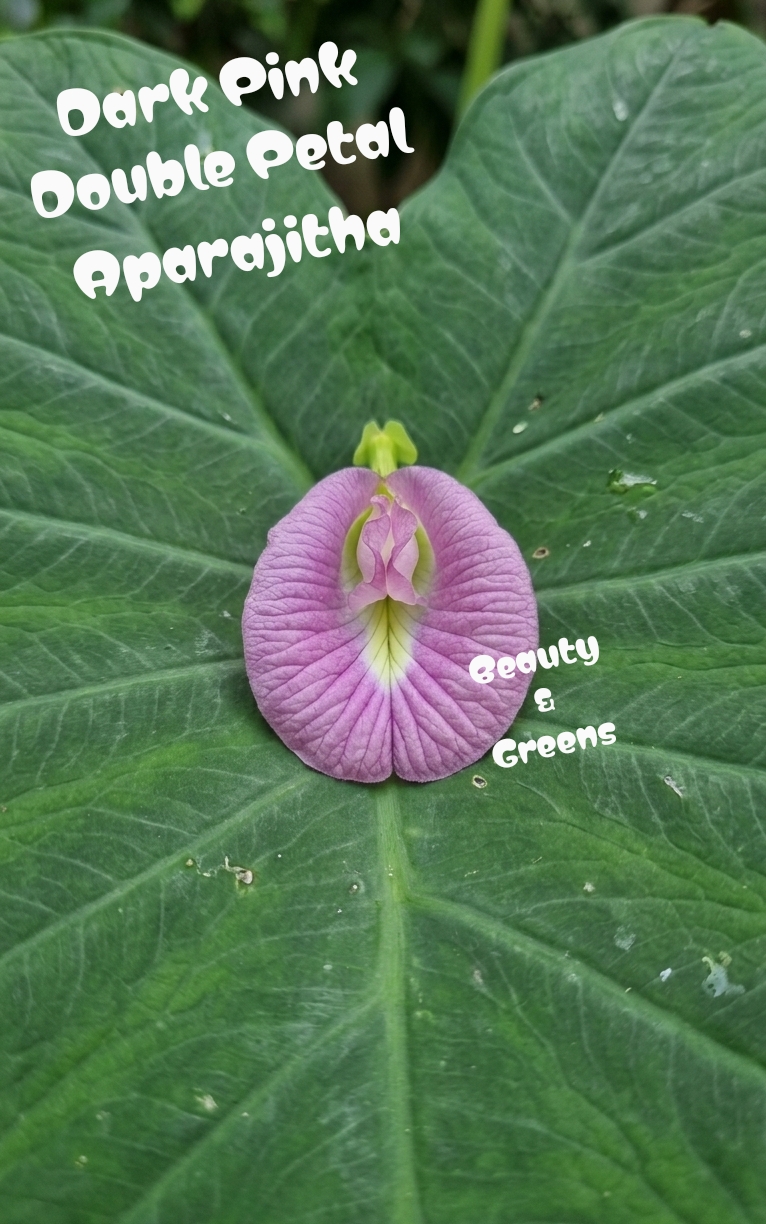
- Dark Pink Double Petal — A rare warm-toned Aparajita. Blush-to-deep-pink blooms that look stunning against green foliage.
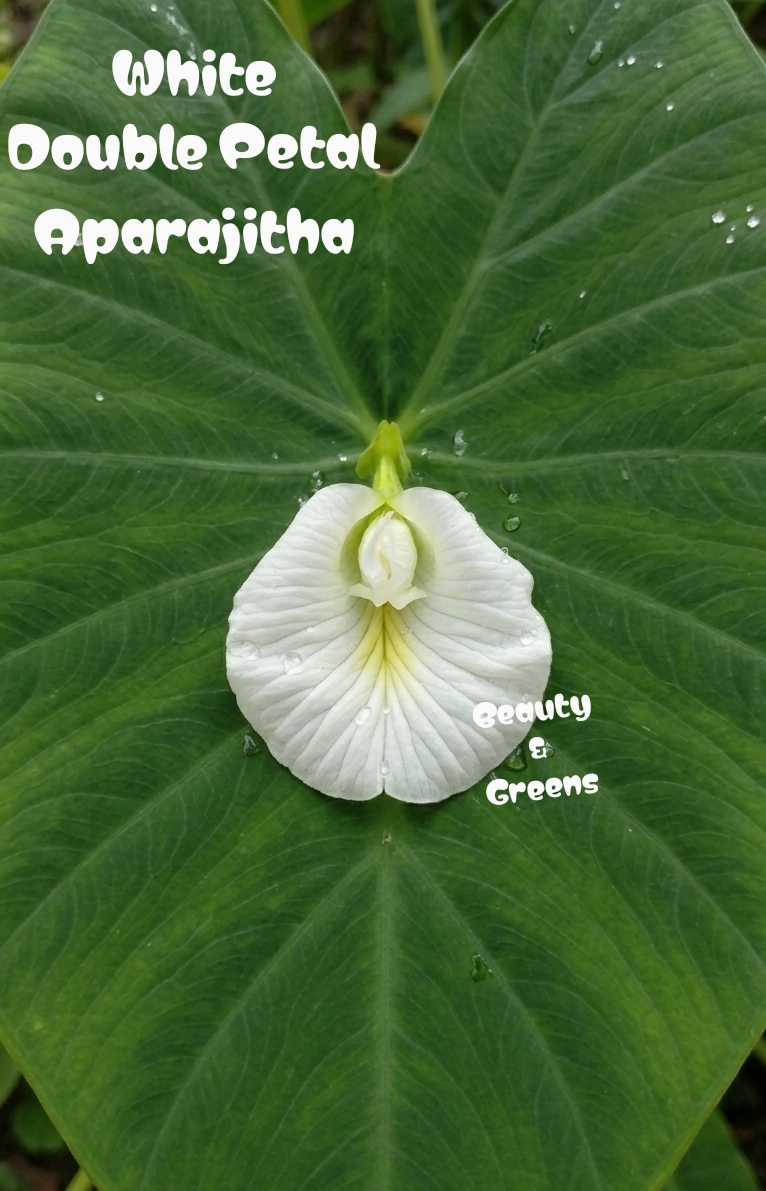
- White Double Petal — Crisp, elegant flowers. Beautiful in mixed plantings and perfect for those who love a soft, classic garden look.
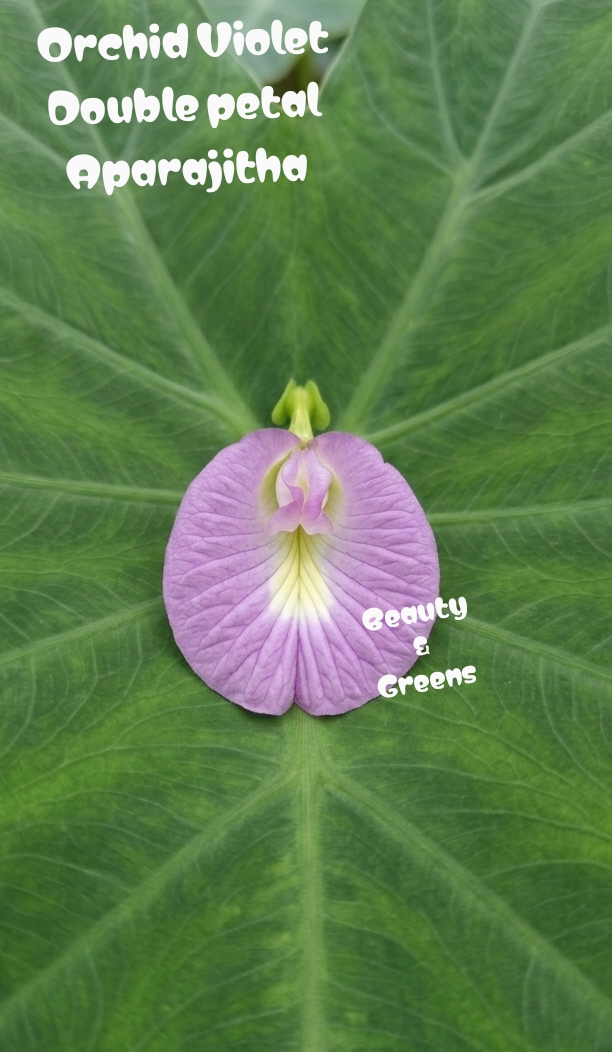
- Orchid Violet Double Petal — Soft orchid-lavender tones with a delicate, almost watercolour quality to each bloom.
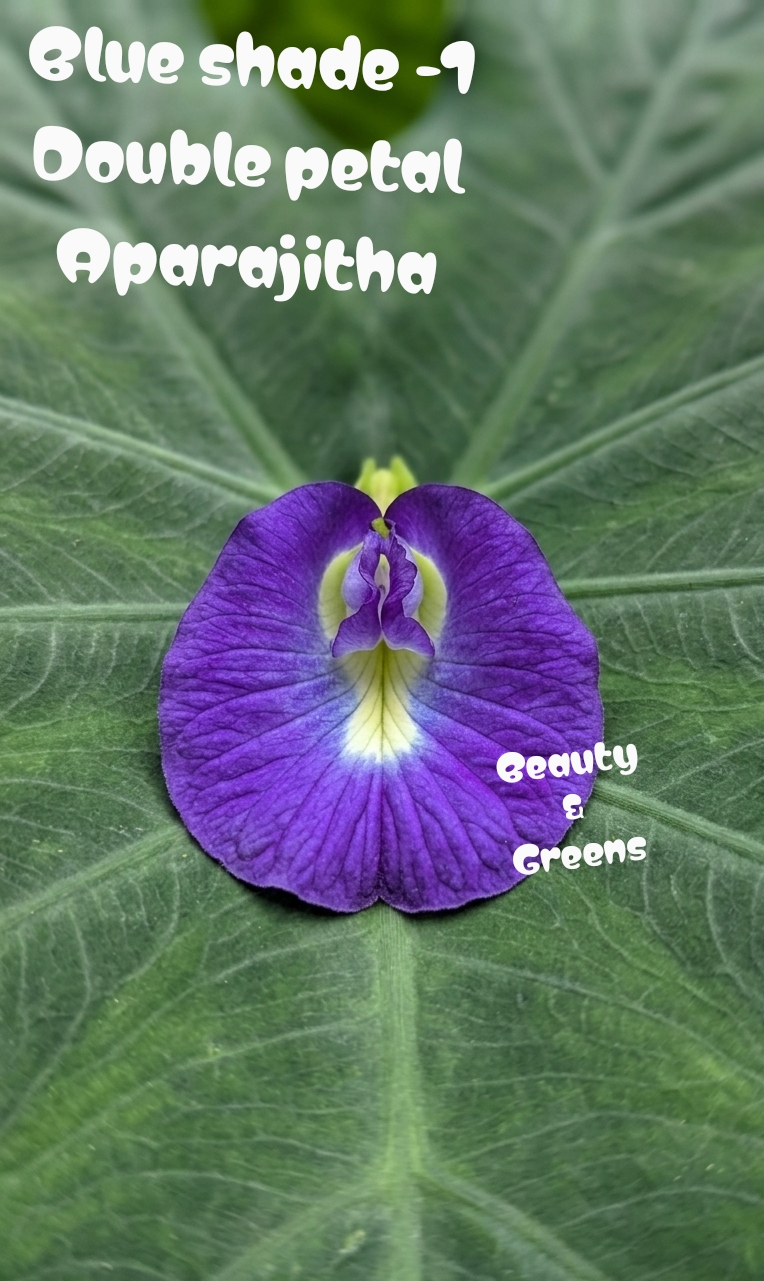
- Blue Shade 1 Double Petal — Classic cobalt blue in double form. Best for herbal tea as it gives the richest colour infusion.
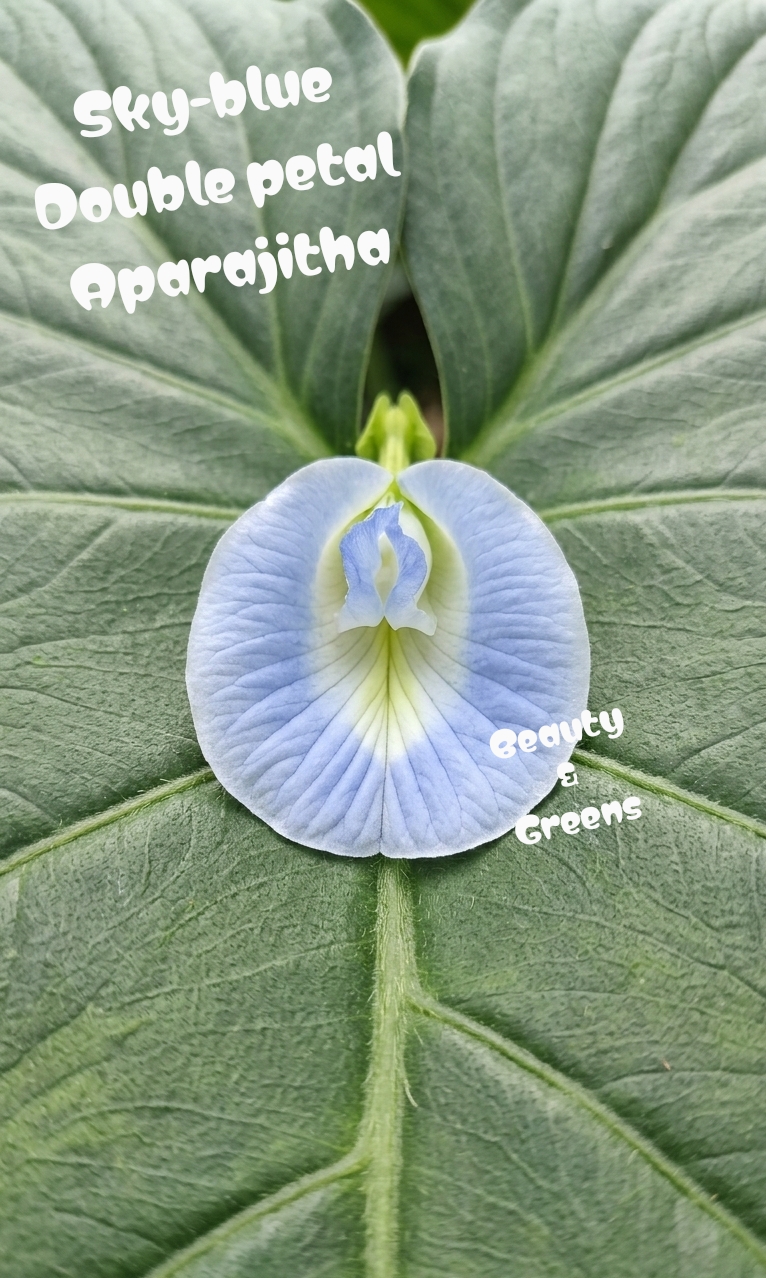
- Sky Blue Shade 2 Double Petal — A lighter, airier sky blue. Gorgeous paired with the deeper blue or purple varieties.
- Sky Blue Double Petal — Bright, breezy blooms perfect for terraces and sunny walls.
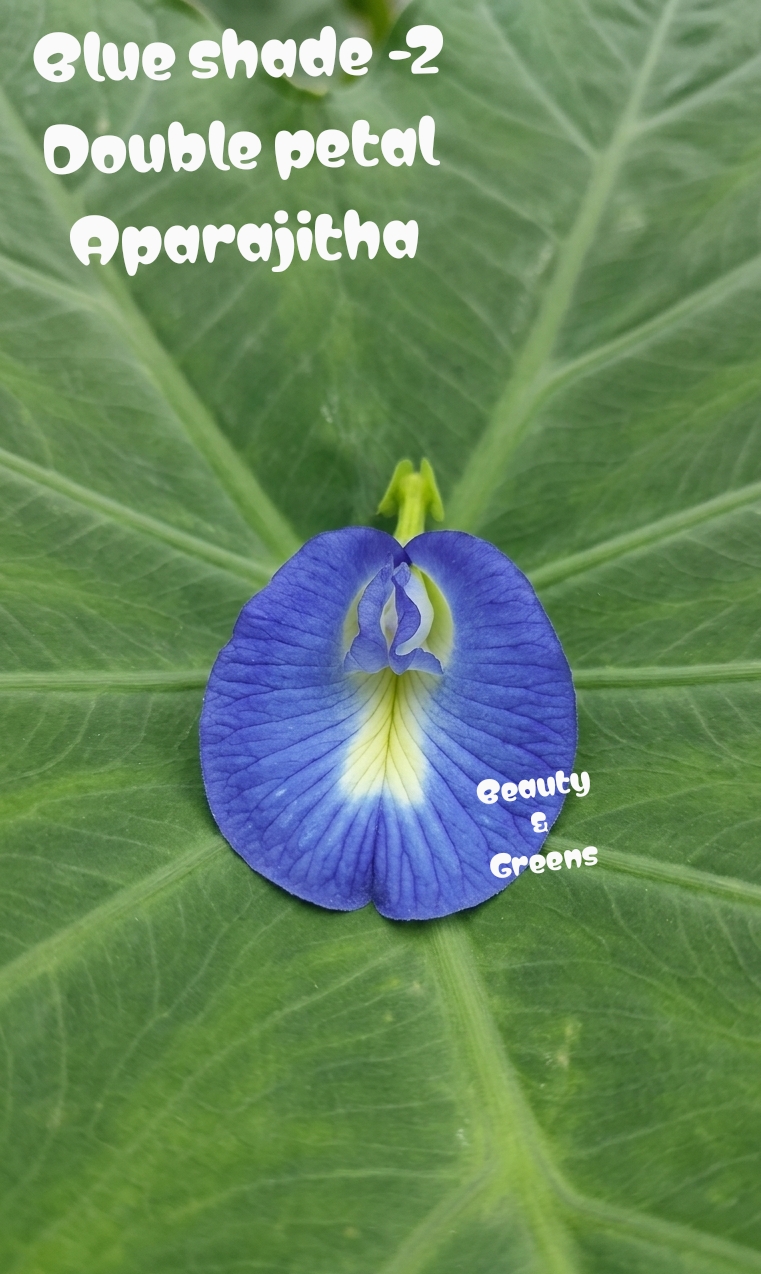
- Blue Shade 2 Double Petal — A mid-tone blue with a subtle two-toned centre. Lovely in mixed planters.
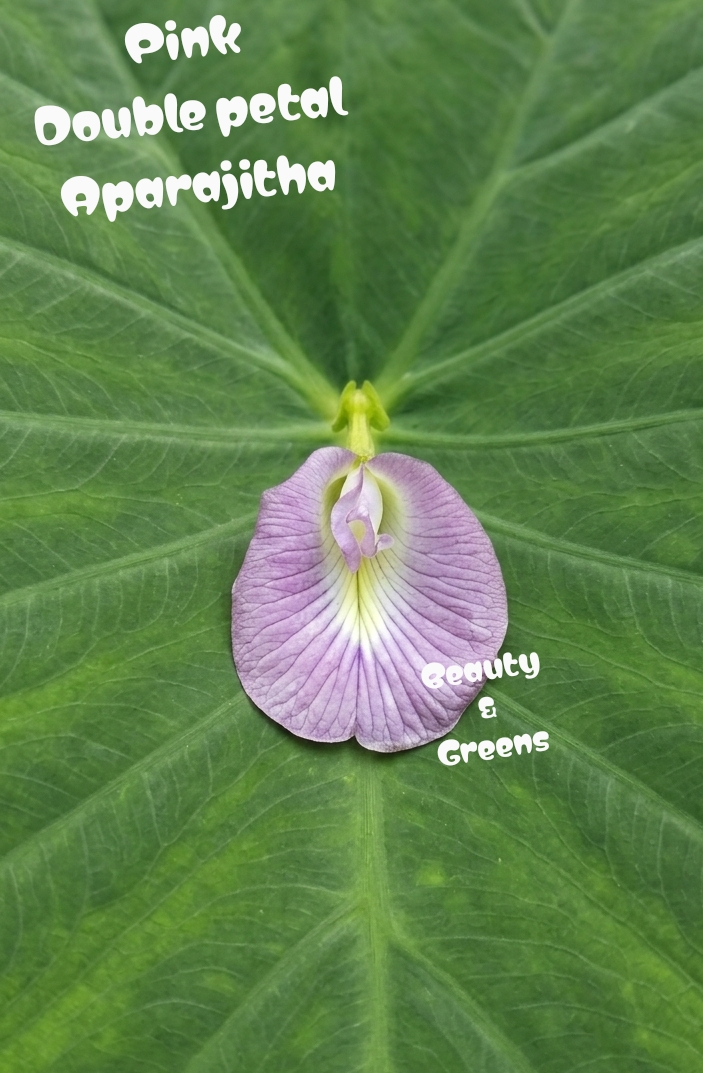
- Pink Double Petal — Soft pink flowers that add a gentle, romantic touch to any garden wall or pot.
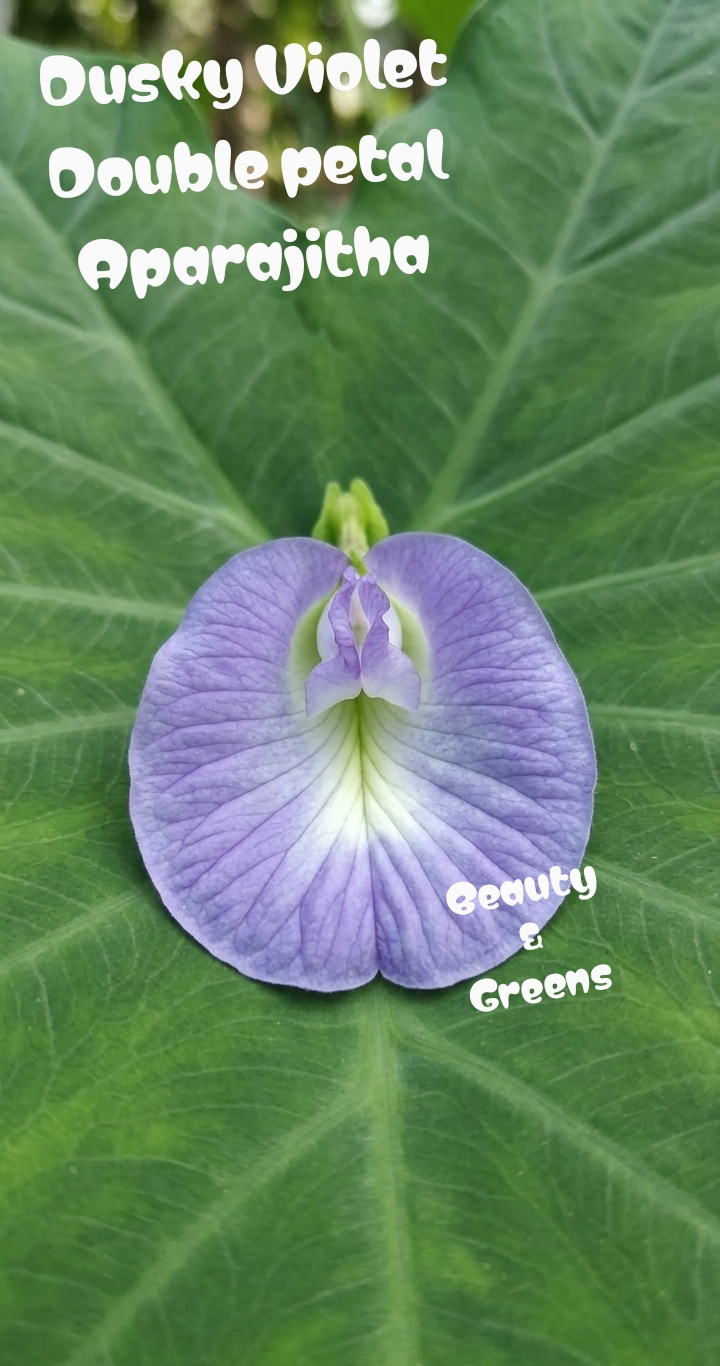
- Dusky Violet Double Petal — A moody, smoky violet — one of the most unique shades in our collection.
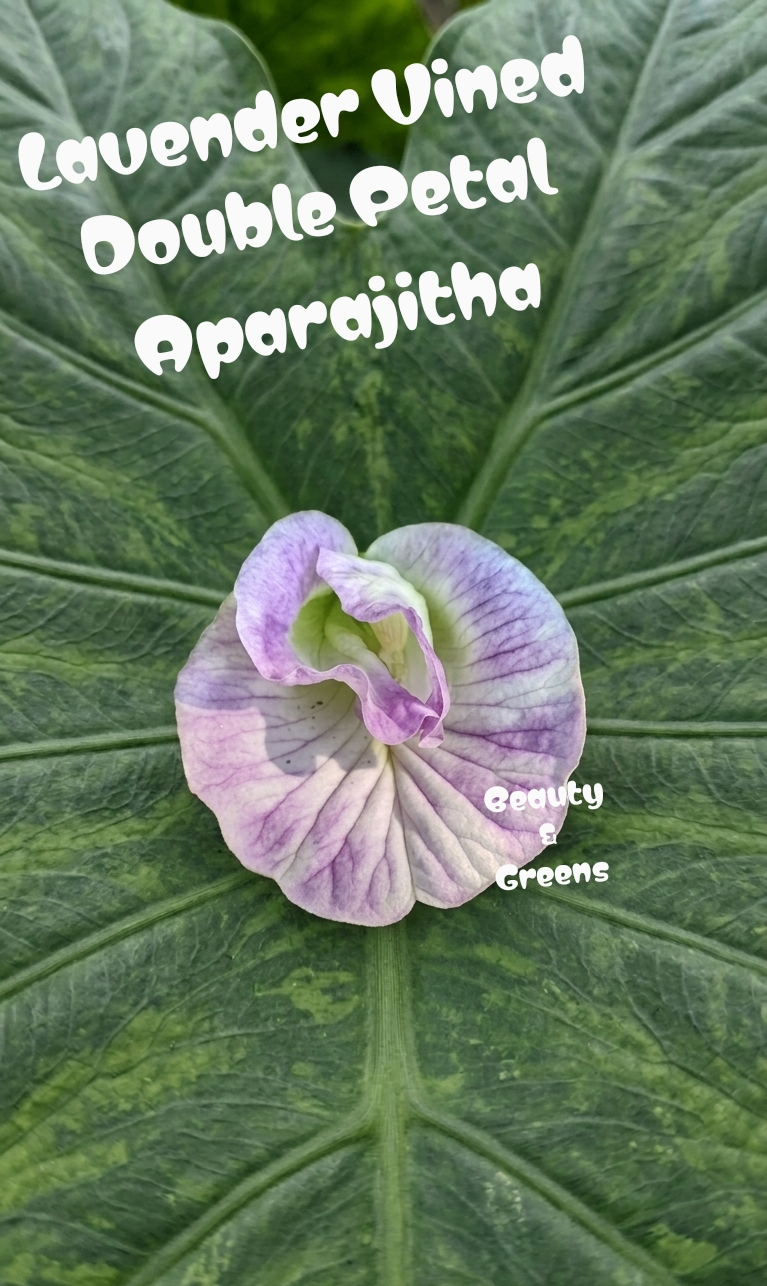
- Lavender Vined Double Petal — Pale lavender blooms with subtle veining. Delicate and highly decorative.
Multipetal Varieties
Multipetal flowers have an extra layer of petals — even more lush and full than double petal. These are the real conversation-starters in any garden.
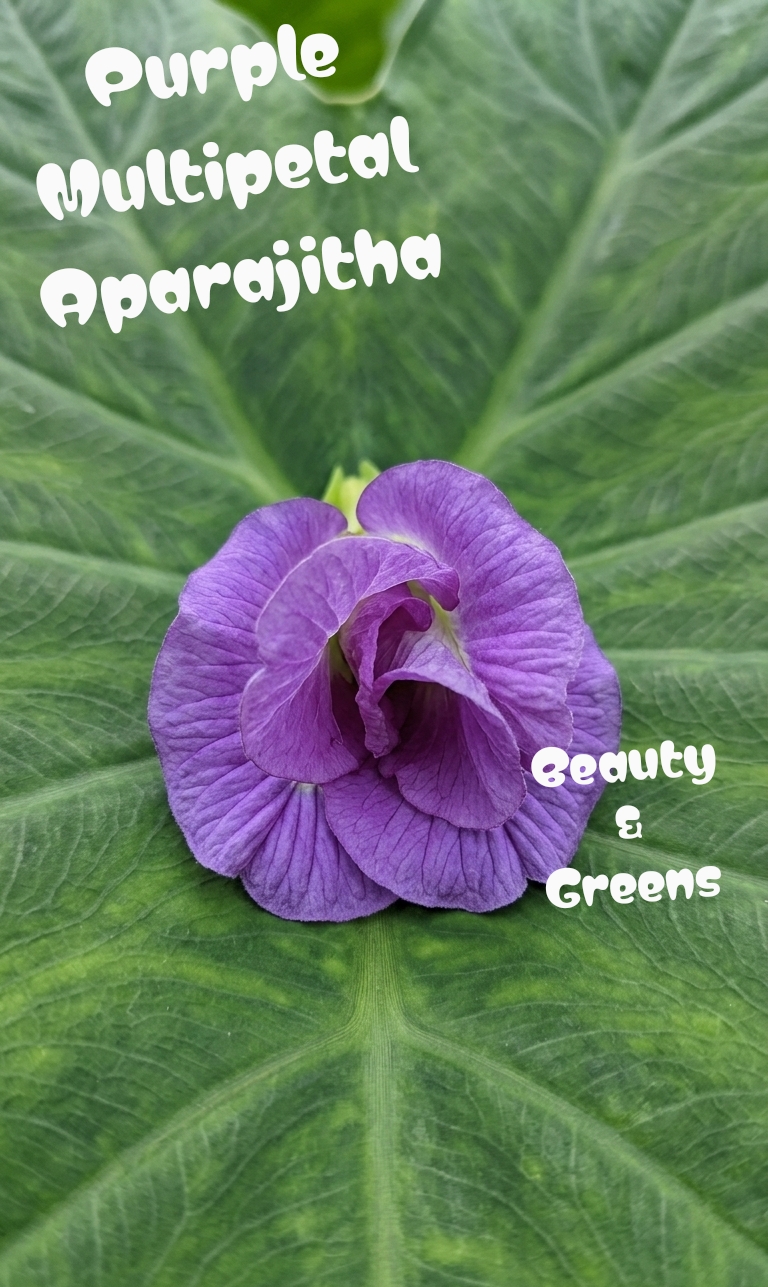
- Purple Multipetal — A full, pom-pom-like bloom in deep violet. Absolutely stunning on a trellis.
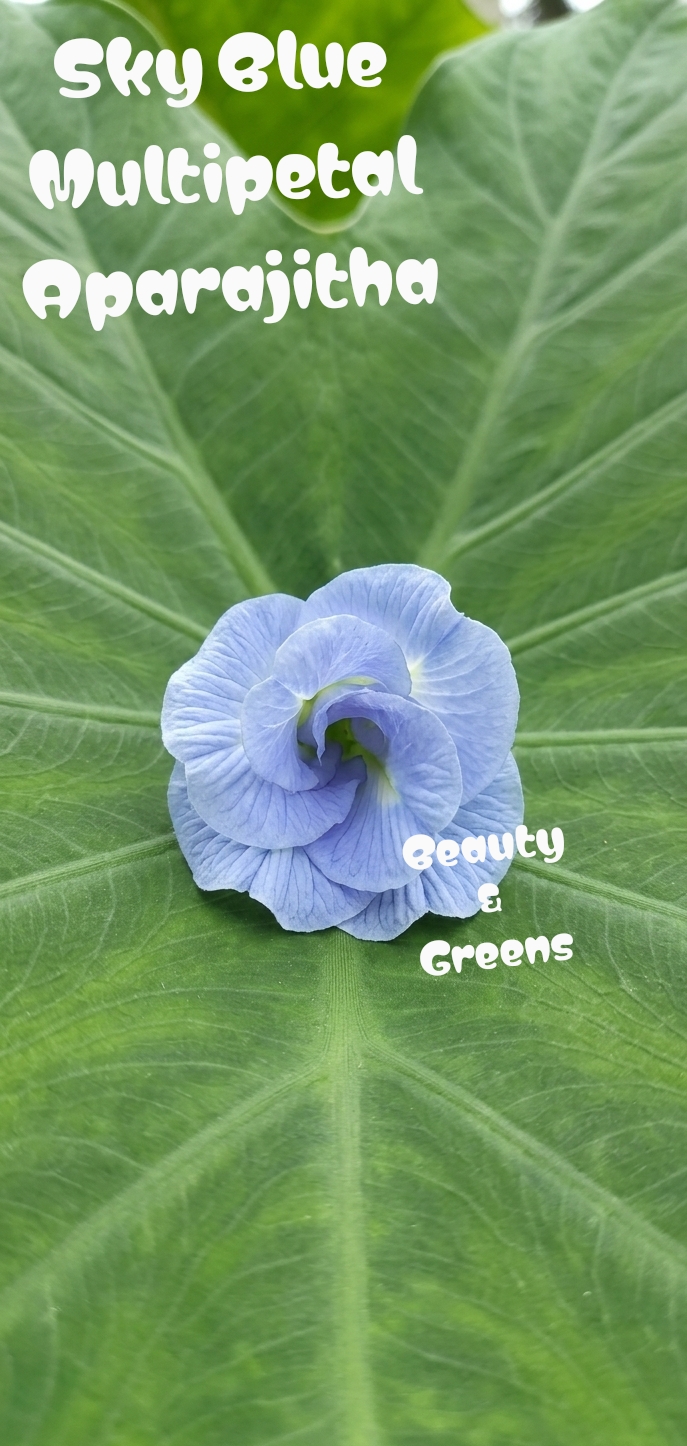
- Sky Blue Multipetal — Layers of soft blue petals. Light, breezy, and endlessly pretty.
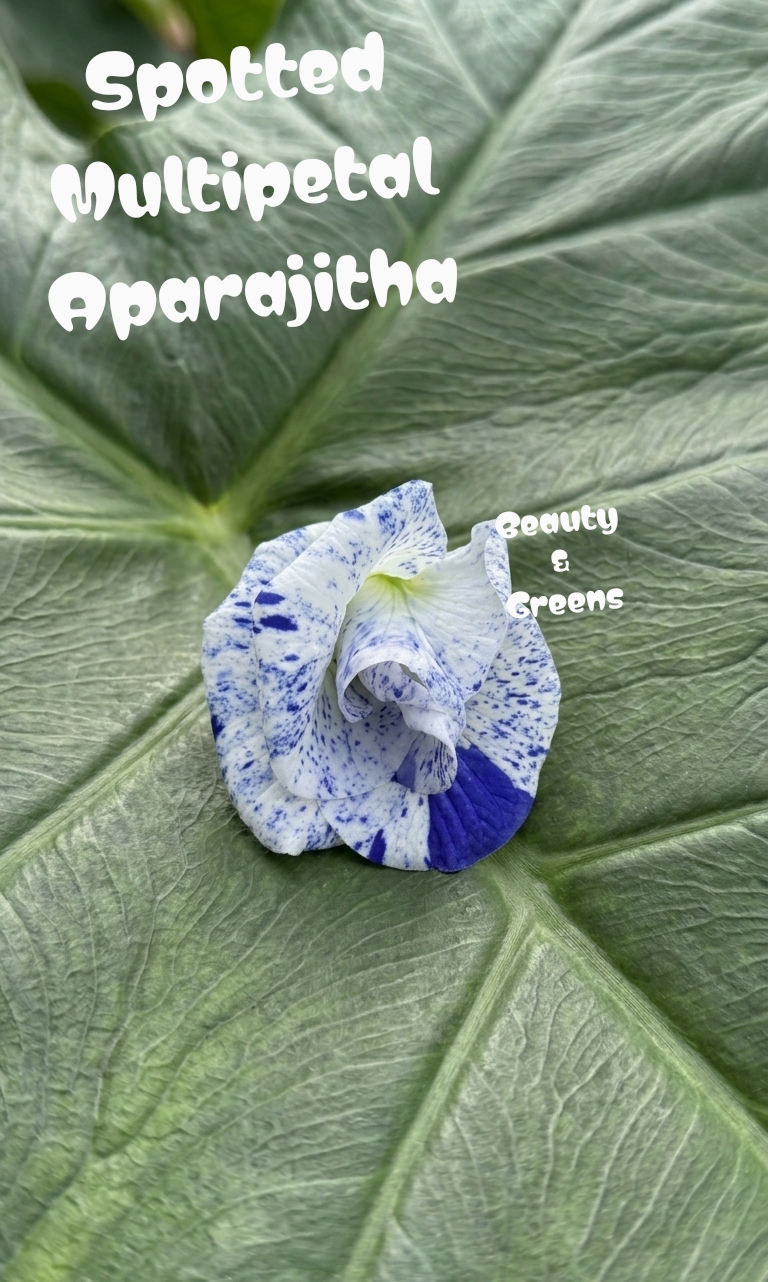
- Spotted Multipetal — Rare and distinctive, with speckled patterns on the petals. A true collector's variety.
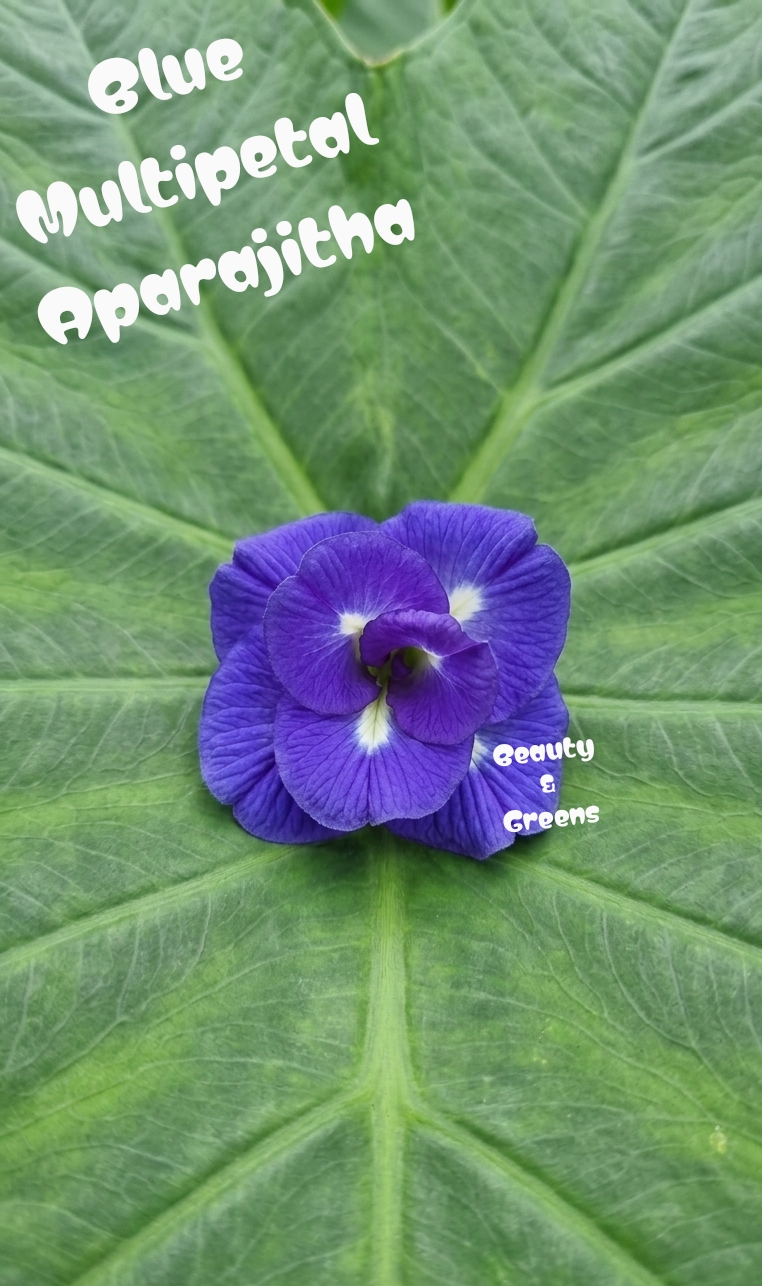
- Blue Multipetal — Rich blue in its fullest form. Eye-catching and great for making blue butterfly pea tea with striking colour payoff.
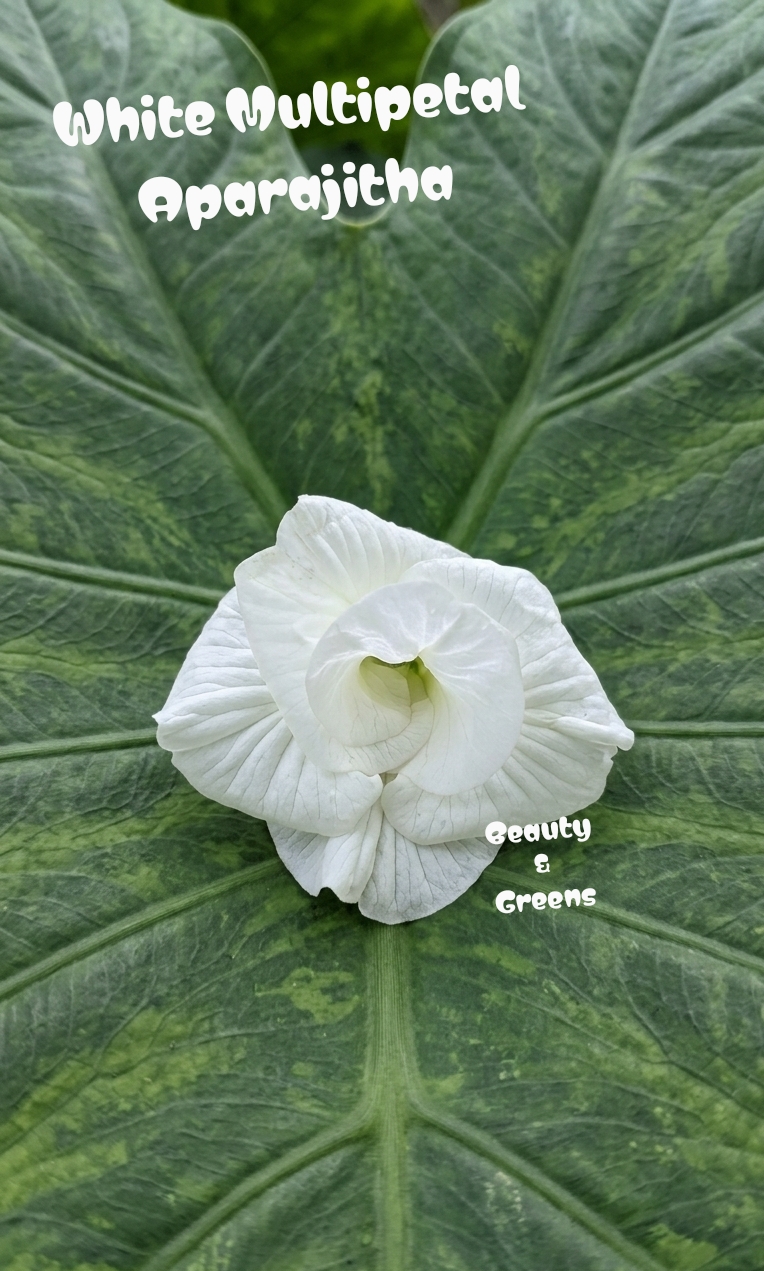
- White Multipetal — Lush, layered white blooms. Elegant and striking, especially in evening light.
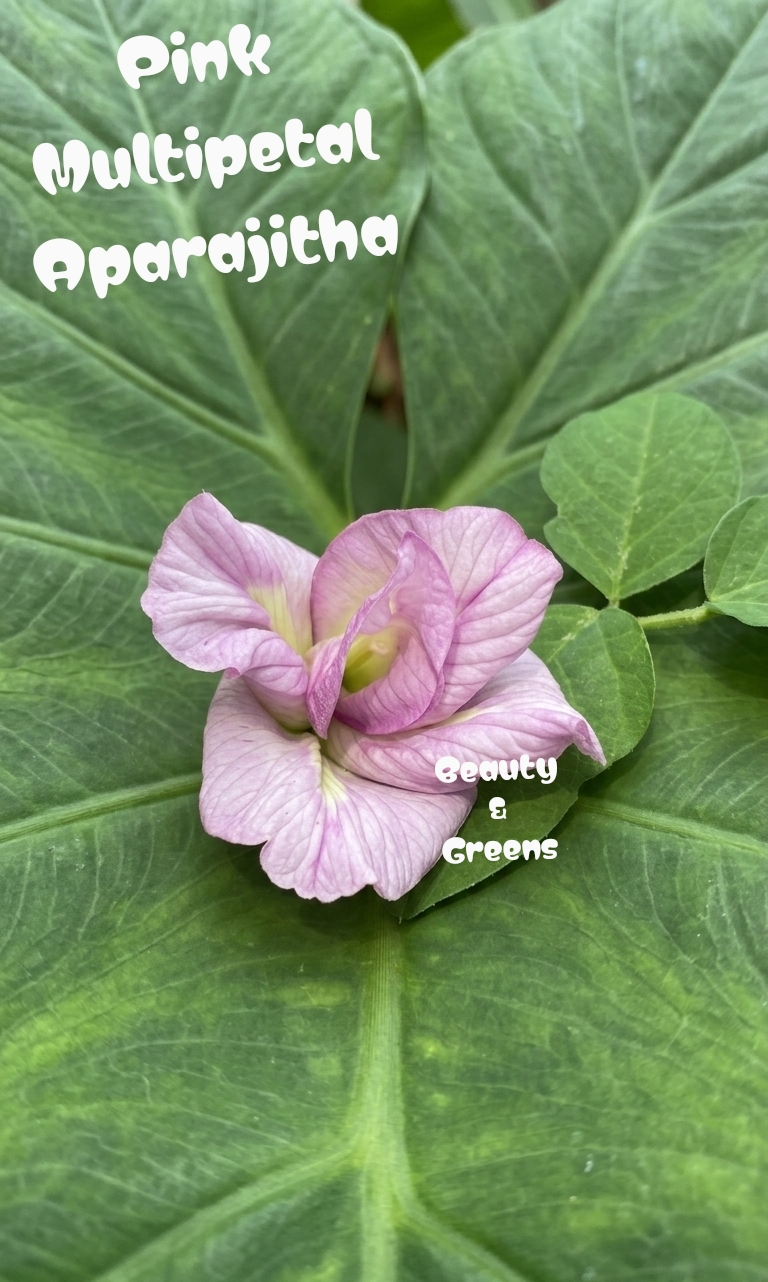
- Pink Multipetal — Full and romantic. A beautiful variety that looks like something straight out of a cottage garden.
💡 Grower's tip: Plant 3–5 different varieties together on a single trellis and watch your wall transform into a living colour canvas — purple, pink, blue, white, and lavender blooms weaving together all season long. Many of our customers mix 4–6 packets for exactly this effect. Browse all our Aparajita seed varieties →
Step 2: Germination — Getting Your Seeds to Sprout
Aparajita seeds have a naturally hard outer coat, which protects them in the wild but can slow germination at home. A little pre-treatment dramatically improves your success rate.
Warm Water Soaking (Recommended for All Seeds)
Soak your seeds in warm (not boiling) water for 12–24 hours before sowing. You'll notice them swell slightly as they absorb moisture — a sign they're ready to sprout. This simple step alone can boost germination from 50% to over 90%.
Mechanical Scarification (For Stubborn or Older Seeds)
If your seeds don't swell after soaking, gently nick the hard outer coat using fine sandpaper or a nail file. Avoid the small scar-like mark on the seed (called the hilum) — scratch around it, not on it. Soak after scarifying.
Sowing Your Seeds
- Fill your pot or seed tray with a well-draining potting mix
- Make a small indent about 1 inch (2.5 cm) deep
- Place one seed per hole and cover gently with soil
- Water lightly — the soil should be moist, not waterlogged
- Place in a warm, bright spot (25°C–30°C is ideal)
- Keep soil consistently moist during germination. Do not let it dry out completely
Seeds typically sprout within 7–14 days. Once the seedling has 3–4 true leaves, it's ready to be moved to its permanent pot or planting spot.
Step 3: Sunlight & Temperature
Aparajita is a sun-loving plant. More sunlight directly equals more flowers — this is one of the most important things to get right.
- Minimum: 4 hours of direct sunlight daily
- Ideal: 6+ hours of direct sunlight daily
- Temperature sweet spot: 25°C to 35°C
The plant grows happily through Indian summers and monsoon seasons. It is sensitive to frost and prolonged cold — if temperatures dip below 15°C regularly, protect your plant or bring it indoors temporarily.
In North India, sow between February and June, and again in August–September. In South India and coastal regions, Aparajita can be grown year-round.
Step 4: Watering — the Golden Rule
Aparajita likes moisture but hates sitting in wet soil. The golden rule is simple: water when the top inch of soil feels dry to the touch.
In summer, this typically means watering every 1–2 days. During the monsoon, you may need to water rarely or not at all — let the rain do the work. In winter, water every 3–4 days.
- Signs you're overwatering: Yellow leaves, mushy stems at the base, or a sour smell from the soil.
- Signs you're underwatering: Drooping leaves in the morning (before the heat of the day), dry and cracked soil pulling away from the pot edges.
Always ensure your pot has drainage holes at the bottom. Aparajita in waterlogged soil will develop root rot quickly — a problem that's difficult to reverse.
Step 5: Soil & Fertilizer
Soil
Use a well-draining potting mix with good aeration. A mix of garden soil + cocopeat + compost (in a 1:1:1 ratio) works beautifully. Avoid heavy clay soils that retain too much water.
Ideal soil pH: 6.0–7.5 (slightly acidic to neutral).
Fertilizer
Aparajita is not a heavy feeder, but it appreciates regular nutrition during its growing season.
- Organic compost or vermicompost: Add a small handful around the base of the plant every 2–3 weeks. This is the single best thing you can do for healthy growth and abundant flowering.
- Bone meal or rock phosphate: Phosphorus encourages root development and flower production. Apply once a month during the growing season.
- Avoid excess nitrogen: High-nitrogen fertilizers (like urea) encourage lush green growth but actively suppress flowering. If your plant is producing lots of leaves but few flowers, excess nitrogen is often the cause. Switch to a phosphorus-rich feed.
Step 6: Pot Size & Support
Growing in Pots (Balcony / Terrace)
Use a pot that is at least 10–12 inches deep and 10 inches wide. Aparajita has moderate roots that need room to spread. Anything smaller will limit growth and reduce flowering.
Once planted, set up a support structure — a bamboo trellis, a net, a wire frame, or even a section of old ladder works perfectly. Aparajita is a natural climber; it will find its way up any support you give it within days.
Growing in the Ground (Garden / Yard)
Plant near a fence, wall, gate, or compound boundary and let it climb naturally. In the ground, Aparajita grows more vigorously and can reach 2–3 metres in height during a good season. You'll get significantly more flowers than in a pot.
Step 7: Pruning & Ongoing Care
Aparajita needs very little pruning, but a little attention goes a long way.
- Pinch the growing tips when the plant is young (around 4–5 inches tall). This encourages the plant to branch out and become bushy rather than growing as a single long vine — which means more flowers.
- Remove spent flowers regularly. Deadheading (removing dried or wilting flowers before they form seed pods) signals the plant to keep producing new blooms. If you leave seed pods to form and ripen, flowering will slow down as the plant shifts its energy to seed production.
- Trim back aggressively after a heavy flush of flowers. Cutting the vine back by one-third after a major blooming period encourages a fresh flush of growth and flowers within 2–3 weeks.
Common Problems & How to Fix Them
- Yellow leaves — Almost always caused by overwatering or poor drainage. Let the soil dry out, check that drainage holes are clear, and reduce watering frequency.
- Lots of leaves, very few flowers — Too much nitrogen in the soil, or insufficient sunlight. Move the plant to a sunnier spot and switch to a phosphorus-rich organic fertilizer.
- Slow or no germination — Seeds may not have been pre-treated adequately. Re-soak for another 12 hours, or try scarification before resowing. Also check that soil temperature is above 22°C.
- Thin, leggy growth reaching for light — The plant is not getting enough sunlight. Move it to a spot with more direct sun. Pinching back leggy growth encourages denser re-growth.
- Powdery mildew (white coating on leaves) — Caused by poor air circulation, especially during humid monsoon months. Improve airflow around the plant and spray with a diluted neem oil solution (5ml neem oil + 1 litre water) once a week.
- Aphids or whiteflies — Common during spring. A neem oil spray twice a week clears most infestations without chemicals. Ladybirds and garden spiders are natural predators — try to encourage them.
Harvesting Your Flowers
Aparajita flowers open fresh each morning and begin to fade by afternoon. For the best quality and colour, harvest in the early morning — between 7 AM and 10 AM — when the flowers are fully open and at peak pigmentation.
- Fresh flowers can be used immediately for tea, cooking, or ritual offerings.
- Dried flowers keep for 6–12 months. To dry them, spread freshly picked flowers on a clean cloth or paper in a single layer and leave them in a shaded, well-ventilated spot for 3–5 days. Once completely dry and crisp, store in an airtight glass jar away from direct sunlight. Dried flowers retain most of their colour and all of their flavour.
How to Use Aparajita
🍵 Butterfly Pea Tea — The Blue Tea Everyone's Talking About
Brew 8–10 dried (or 12–15 fresh) flowers in 250 ml of hot water for 5–7 minutes. The water turns a deep, vivid blue. Now squeeze in a little lemon juice and watch it transform to violet-purple right before your eyes — a natural pH reaction that never gets old.
Aparajita tea has a mild, earthy flavour similar to chamomile. It's naturally caffeine-free, making it an excellent evening drink. Sweeten with honey or jaggery to taste.
🎨 Natural Food Colouring
The intense blue pigment (anthocyanin) in Aparajita flowers is completely safe and remarkably stable when used in food. Use it as a natural, chemical-free dye in:
- Blue rice (simply cook rice in Aparajita tea instead of plain water)
- Blue lemonade, mocktails, and cocktails
- Panna cotta, puddings, and jellies
- Sweets, ladoos, and traditional mithai
- Homemade pasta dough for a stunning colour effect
🌿 Ayurvedic & Wellness Uses
In Ayurveda, Aparajita is classified as a Medhya Rasayana — a herb specifically beneficial for the mind and nervous system. Traditionally, it has been used to:
- Support memory, focus, and cognitive clarity
- Reduce stress and promote mental calm
- Aid restful sleep when taken as a bedtime tea
- Support eye health (particularly the pigment compound anthocyanin)
Note: Aparajita tea is considered safe for most adults in moderate quantities. Consult a doctor before use if you are pregnant, breastfeeding, or on medication.
Cultural & Spiritual Significance
The name Aparajita means "the undefeated one" in Sanskrit — a name that reflects the plant's resilience, beauty, and sacred status.
In Hindu tradition, Aparajita is deeply associated with Goddess Durga and Lord Vishnu. The blue flowers are offered in puja rituals, especially during Navratri and Dussehra. Many households grow Aparajita near the tulsi plant or puja area, believing it brings positivity, spiritual protection, and prosperity to the home.
In South and East India, the plant is also used in traditional ceremonies and as a natural dye for fabric in certain communities.
Growing Aparajita in the Indian Climate
India's warm, humid climate is practically tailor-made for Aparajita. Here's a quick regional guide:
- South India (Tamil Nadu, Kerala, Karnataka, Andhra Pradesh): Grow year-round. Best sowing months: February–April and August–October.
- West India (Maharashtra, Gujarat, Goa): Excellent growth through monsoon and post-monsoon. Sow February–May and August–September.
- North India (UP, Delhi, Punjab, Rajasthan): Sow after the last frost — typically March–May. Can re-sow in August for an autumn flush.
- East India (West Bengal, Odisha, Assam): Grows beautifully. Sow February–April and again after peak monsoon in September.
In all regions, avoid sowing during peak winter cold. The plant will survive mild winters but will not flower until temperatures rise again.
Companion Plants That Grow Well With Aparajita
Aparajita is sociable — it grows well alongside several popular Indian garden plants:
- Jasmine (Mogra/Chameli): A classic pairing. Blue and white flowers, and the fragrance of jasmine complements Aparajita's visual impact beautifully.
- Marigold (Genda): Marigolds repel common pests naturally, protecting your Aparajita without chemicals.
- Curry Leaf (Kadi Patta): Grows happily in the same garden bed, with similar water and sunlight needs.
- Tulsi (Holy Basil): A natural companion in puja gardens. Both plants share cultural significance and similar care requirements.
What Our Customers Are Saying
"I ordered the mixed colour pack on a whim — blue, white, and double-petal. Within 8 weeks I had a wall of blooms on my terrace railing. My neighbours keep asking me where I got the seeds!"
— Priya M., Bangalore
"I've tried growing Aparajita twice before from seeds I bought elsewhere — nothing happened. Your seeds germinated in 9 days. Now I make blue tea every morning. Completely hooked."
— Ramesh K., Pune
"My daughter loves the colour-changing tea. We do it as a 'science experiment' for her every weekend. Such a special plant."
— Ananya S., Chennai
Frequently Asked Questions
Can Aparajita grow indoors?
It can survive indoors near a bright window, but it needs at least 4–6 hours of direct sunlight to flower. A balcony, terrace, or outdoor window ledge is always the better choice. Indoors without direct sun, it will grow but rarely bloom.
How long does Butterfly Pea take to flower from seed?
In warm conditions (25°C–35°C), expect your first flowers in 6–8 weeks. In cooler weather, this can stretch to 10–12 weeks. Once flowering begins, the plant blooms continuously for months.
Is Aparajita tea safe to drink every day?
Yes, for most healthy adults, 1–2 cups per day is considered safe and beneficial. Avoid during pregnancy or if you are on blood-thinning medications. Consult your doctor if you have any health conditions.
Which fertilizer is best for Butterfly Pea?
Organic compost or vermicompost is ideal. For more flowers, supplement with bone meal or a phosphorus-rich liquid fertilizer. Avoid urea and high-nitrogen fertilizers.
Can I grow Aparajita in a small pot on my balcony?
Absolutely — this is one of the most popular ways to grow it. Use a pot that is at least 10 inches deep, provide a small trellis or railing for it to climb, and place it in your sunniest spot. Many of our customers grow it in grow bags with great results.
Will Aparajita come back next year?
Aparajita is a perennial in warm climates — in South and West India it often survives and re-blooms for 2–3 years. In cooler North Indian climates, it's usually grown as an annual. Saving seeds from your mature pods each year ensures you can regrow it season after season.
Can I save seeds from my plant?
Yes! Once a flower is pollinated, it forms a long, flat seed pod. Let the pod dry completely on the vine — it will turn papery and beige. Harvest, shell, and store seeds in a cool dry place. Saved seeds remain viable for 1–2 years.
Start Your Aparajita Journey Today
Aparajita is one of those rare plants that gives back far more than you put in. A handful of seeds, a sunny spot, a little water — and within weeks you have a living, blooming, tea-producing garden that connects you to India's botanical heritage.
Whether you're a first-time gardener or a seasoned green thumb looking for something new, Aparajita will not disappoint.
Our seeds are hand-selected for high germination, vibrant colour, and strong plant vigour — tested before every batch is packed. We carry single-variety packets and multi-variety mix packs so you can create the garden display you've always imagined.